

Holding a UAE residency visa is a powerful travel asset. While your passport defines your global mobility, your UAE residence visa unlocks specific doors that would otherwise remain closed.
For many expatriates in Dubai and Abu Dhabi, the struggle of applying for embassy visas is real. Fortunately, several countries now recognize the validity of your UAE residency over your passport nationality, granting you Visa on Arrival (VoA) or even Visa-Free entry.
Do this next:
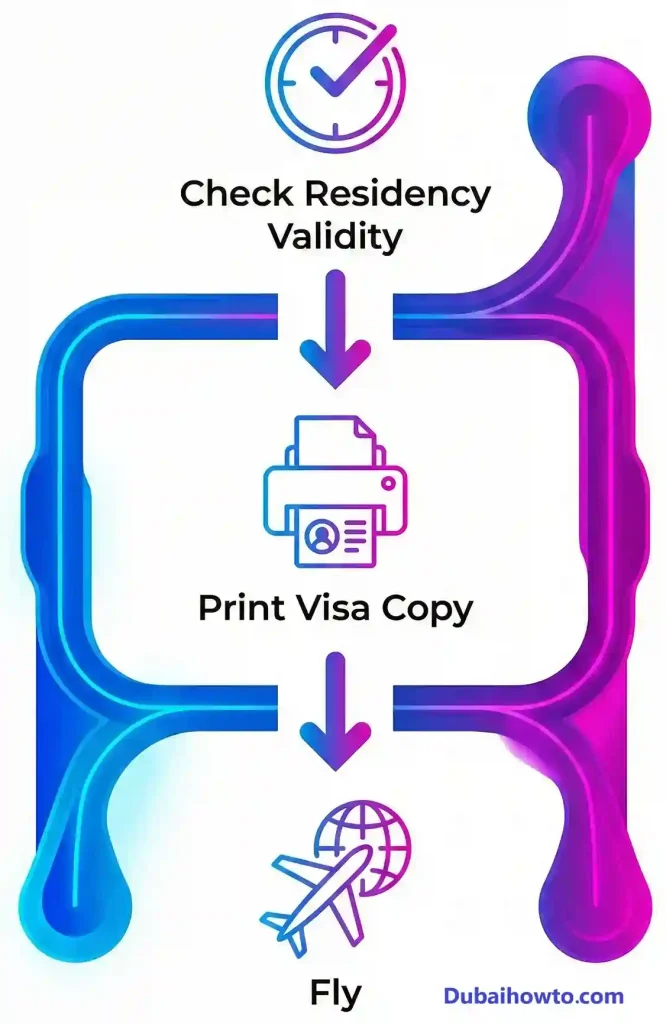
- Check your residency validity: Most countries require your UAE visa to be valid for at least 3–6 months from the date of arrival.
- Download your “Blue Paper”: Since the UAE stopped stamping passports, immigration officers abroad may demand a printed copy of your UAE Residence Visa (downloadable via the UAEICP or DubaiNow app).
- Verify your profession: For GCC travel (Oman/Qatar), your residence visa profession often dictates eligibility.
The “Golden List”: Residency-Based Access
These destinations are the “Holy Grail” for UAE expats. They grant entry based primarily on your valid UAE residency, regardless of whether you hold an Indian, Pakistani, Filipino, or other passport (with very few exceptions).
Georgia
Status: Visa-Free (90 Days)
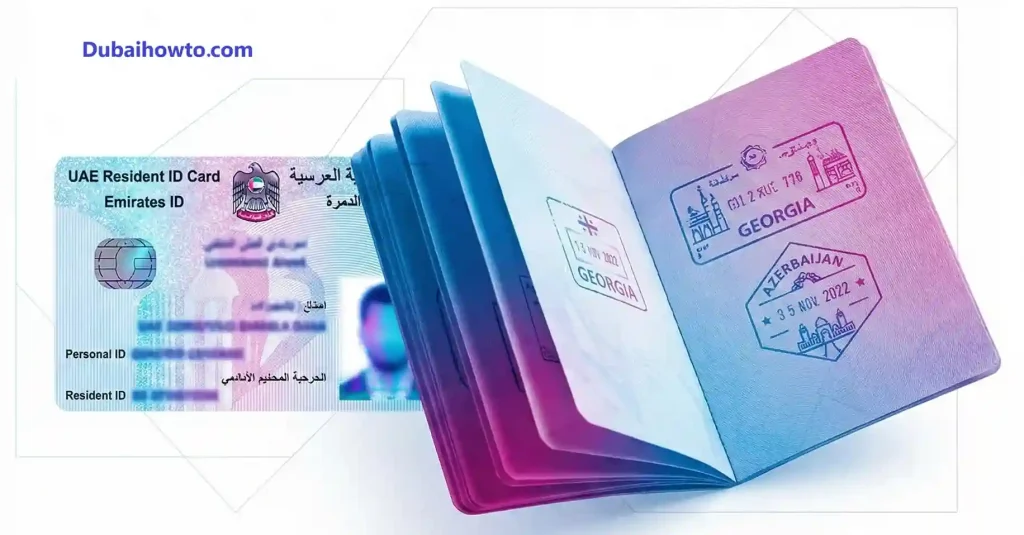
Georgia is the top choice for UAE residents. You do not need a visa; you simply fly in and show your passport and UAE residency card (Emirates ID + Visa Copy).
- Requirement: UAE residency must be valid on the day of entry and departure.
- Duration: 90 days within any 180-day period.
- Cost: Free.
#1. Azerbaijan
Status: Visa on Arrival (30 Days)
Unlike Georgia, you pay a fee upon landing, but the process is seamless for UAE residents.
- Requirement: UAE residency must be valid for at least 6 months at the time of entry.
- Duration: 30 days.
- Cost: Approx. 95 AED (26 USD).
- Step-wise Guide:
- Arrive at Heydar Aliyev International Airport (Baku).
- Look for the kiosks labeled “Visa on Arrival.”
- Scan your passport and select “UAE Resident.”
- Pay the fee via credit card or cash.
- Present the receipt at the immigration counter.
#2. Uzbekistan
Status: Visa-Free (30 Days)
Uzbekistan has aggressively opened its doors. If you have a UAE residency visa valid for at least 90 days, you can enter without a pre-arranged visa.
- Requirement: Residency valid for 90+ days.
- Duration: 30 days.
- Cost: Free.
#3. Armenia
Status: Visa on Arrival / Visa-Free (Policy shifting in mid-2026)
Armenia currently offers Visa on Arrival to many UAE residents who otherwise need a visa. Note that a full “Visa-Free” policy for GCC residents is slated for implementation starting July 2026.
- Requirement: Valid UAE residency.
- Duration: Up to 120 days (depending on fee paid).
- Cost: ~20 AED (3,000 AMD) for 21 days.
The “Open for All” List
These countries offer Visa on Arrival or Visa-Free entry to almost all nationalities, making them safe bets for UAE residents regardless of passport power.
#1. Maldives
Status: Visa on Arrival (30 Days)
The ultimate luxury escape is accessible to everyone.
- Procedure: You receive a free tourist visa upon arrival.
- Crucial Step: You must fill out the IMUGA Traveller Declaration form online within 96 hours of your flight.
- Cost: Free (but environmental taxes apply at hotels).
#2. Seychelles
Status: Visa-Free (Visitor Permit)
Seychelles is visa-free, but you must obtain a “Visitor Permit” on arrival.
- Requirement: Confirmed return ticket, accommodation proof, and sufficient funds.
- Digital Step: Complete the Travel Authorization online before travel (Cost: ~40 AED).
#3. Nepal
Status: Visa on Arrival
Accessible to most nationalities (excluding a few specific countries like Nigeria/Somalia—check specific exclusions).
- Duration: 15, 30, or 90 days.
- Cost: Ranges from 110 AED (30 USD) to 460 AED (125 USD).
GCC Neighbors: The Rules Have Changed
Traveling within the GCC (Oman, Qatar, Kuwait, Bahrain, Saudi) used to be simple, but digital systems have replaced physical stamps.
#1. Oman
Status: Visa on Arrival (Unsponsored Tourist Visa)
UAE residents can enter Oman if their profession is on the approved list (most skilled professions are included).
- Duration: 30 days.
- Cost: ~50 AED (5 OMR).
- Important: If you are a “General Laborer” or similar low-skilled category on your visa, you may be denied VoA.
#2. Qatar
Status: Visa on Arrival (Hayya Platform)
While often called “Visa on Arrival,” you should register on the Hayya platform beforehand.
- Requirement: Valid residency + profession eligibility.
- Cost: ~100 AED.
Comparison: VoA vs. Visa-Free vs. ETA
Don’t get caught out. “Visa on Arrival” is not the same as an “ETA” (Electronic Travel Authorization).
| Country | Status for UAE Residents | Pre-Flight Action Required? | Cost (Approx) |
| Georgia | Visa-Free | No | Free |
| Azerbaijan | Visa on Arrival | No (Kiosk at airport) | 95 AED |
| Kenya | ETA (Not VoA) | YES (Apply 3 days prior) | 110 AED |
| Sri Lanka | ETA / VoA | YES (Online is safer) | 180 AED |
| Thailand | VoA / Visa Exemption | Depends on Nationality | Varies |
Pro Tip: Always carry a printed bank statement for the last 3 months. Even for “Visa Free” countries like Georgia, immigration officers frequently ask UAE residents to prove they have funds to support their stay, specifically to prevent illegal migration.
Don’t Make These Mistakes (2026 Updates)
Mistake 1: Assuming Kenya is still VoA
Kenya replaced its visa system with an ETA in 2024. You cannot just show up anymore; you will be denied boarding without the digital approval.
Mistake 2: The “Singapore” Trap
Many blogs claim Singapore is VoA for UAE residents. This is false. Singapore grants visa-free entry based on nationality, not UAE residency. If your passport (e.g., India, China) requires a visa, holding a UAE residency does not waive that requirement. You must apply for an entry visa.
Mistake 3: Expiring Residency
If your UAE residence visa expires in less than 3 months, do not travel. Most VoA countries (Georgia, Azerbaijan) strictly enforce a 3-month or 6-month validity rule for the residency itself, not just the passport.
Final Thoughts
For 2026, Georgia and Azerbaijan remain the top contenders for hassle-free travel for UAE residents, offering genuine residency-based privileges. Uzbekistan is the rising star with zero fees.
Always remember that immigration rules are sovereign rights of nations and can change overnight. While your UAE residency is a key, your passport is still the door.
FAQs
Which countries give visa on arrival to UAE residents regardless of nationality?
Georgia, Uzbekistan, and Maldives are the most consistent. Georgia and Uzbekistan allow entry based specifically on your valid UAE residency card, while the Maldives offers VoA to all nationalities naturally.
Is Japan visa on arrival for UAE residents?
No. Japan offers an e-Visa for UAE residents of certain nationalities (like Indians, Filipinos, etc.). It is not a Visa on Arrival; you must apply online and receive the QR code before flying.
Do I need to print my UAE visa for travel?
Yes. Since the UAE no longer stamps passports with residency visas, foreign immigration officers cannot see your status in your passport. You must download the visa copy from the UAEICP app and print it.
Can I drive to Oman with a UAE residency?
Yes, but you must hold a profession eligible for the unsponsored tourist visa. You also need an Orange Card (insurance) for your vehicle to cross the border.
Does Schengen visa help for these countries?
Yes. If you hold a valid US, UK, or Schengen visa, many more countries open up for VoA, including Turkey and Albania, even if your UAE residency doesn’t qualify you on its own.
Last updated: October 2026
Reviewed by: DubaiHowTo Editorial Desk
This guide is part of our UAE Visa and Emirates ID Guide.

Author: The DubaiHowto Editorial Team
DubaiHowto is an independent informational platform created to help UAE residents and visitors understand everyday services such as public transport, telecom, government procedures, visas, fines, and utility systems.
Our editorial team researches and verifies content using official UAE sources (including government portals, service providers, and regulatory authorities) and real on-ground experience of living in the UAE. Each guide is written to be practical, easy to understand, and regularly updated to reflect the latest rules, fees, and procedures.
We focus on clarity, accuracy, and usefulness — especially for people navigating UAE systems for the first time. Learn More about DubaiHowto.
Last reviewed: February 2026. Sources: Official UAE portals and service providers